
Practice at Tula
Tula comes from the Sanskrit word tulā, meaning balance, equal measure, and to weigh with care. We hold yoga as a practice of returning to that balance, not through striving or performance, but through awareness, discernment, and embodied presence. Through movement, breath, rest, mindfulness, and study, we support a deeper relationship with body, mind, heart and inner life.
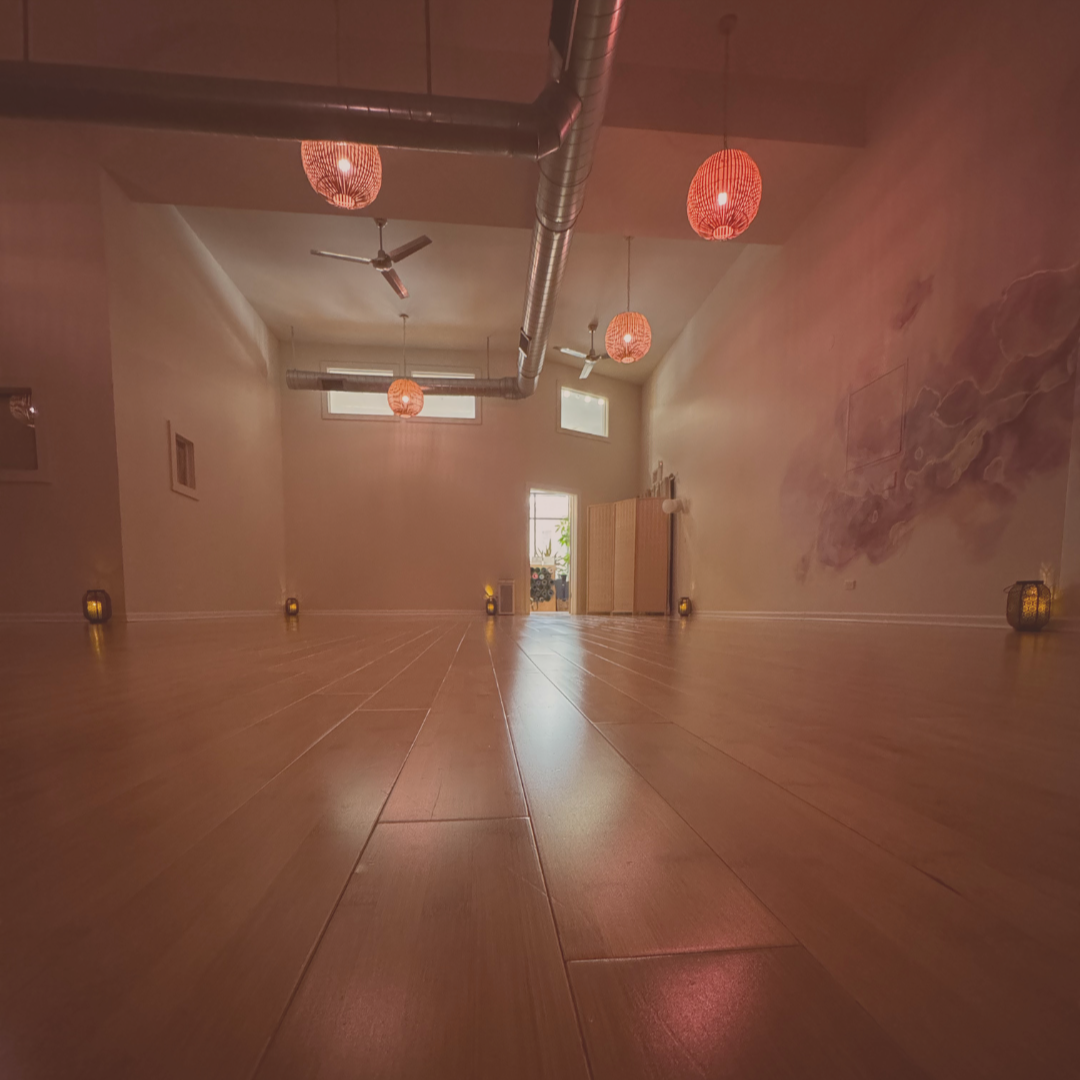
Practice at Tula
Yoga can be a workout. At Tula, we know it is also much more than that.
We approach yoga as a practice of awareness, curiosity, and exploration. Movement is part of the practice, but not the whole of it. The deeper aim is to become more present, more connected, and more attuned to what is happening in the body, breath, mind, heart, and inner experience.
Tula is a place of both practice and learning. Classes are not offered simply as one-off fitness experiences, but as opportunities to study yourself through yoga. We teach in ways that support mindfulness, self-study, and stronger interoception, helping students strengthen their ability to sense, listen, and respond from within.
Our approach reflects both ancient contemplative traditions and modern understandings of the nervous system, weaving them into a whole practice of integration for body, breath, mind, and heart. Rather than emphasizing performance or external form, we guide students toward deeper awareness, inner relationship, and embodied understanding.
By honoring the depth of yoga, we also honor the teachers and lineages that have carried these practices forward. We acknowledge that yoga developed in ancient India and within the broader contemplative, philosophical, and spiritual traditions of South Asia. We practice and teach with humility, care, and gratitude, honoring the wisdom, histories, and teachers who came before us.
What you can expect
Tula is an all levels studio. Whether you are completely new to yoga or have practiced for years, you are welcome here.
Teachers offer options so students can practice in a way that meets their own body, energy, and experience. There is no single right way to do a pose. The invitation is always to listen closely, choose what is supportive, and stay in relationship with your own experience.
All classes include physical practice. Many also include breath-work, mindfulness, rest, and elements of yoga philosophy. Class is not simply something to get through. It is a space to practice, learn, and deepen your understanding of yoga as a whole.
Practice as learning
We believe yoga should help students become more informed, empowered, and connected to their inner experience.
Our classes are designed not only to guide movement, but to help students understand what they are doing and why. Over time, practice builds body awareness, supports nervous system regulation, and cultivates resilience, helping us move through life with more ease and meet what arises with greater steadiness. The lessons learned on the mat begin to shape the way we live, so that yoga becomes not only a practice we do, but a way of being.
We also value interoception, the ability to sense what is happening inside the body. Rather than focusing on how a pose looks, we encourage students to notice breath, effort, tension, energy, and subtle internal shifts. Yoga becomes something understood from the inside out.
In this way, yoga becomes more valuable, more meaningful, and less superficial. There is nothing wrong with physical fitness or outward appearance, but we believe the deeper purpose of yoga is to help us live with greater awareness, integrity, and freedom. Through the eight limbs, yoga offers not only a way to strengthen the body, but a path toward resilience, empowerment, ethical living, and ultimately liberation.
Before class
Please arrive a little early so you have time to settle in before class begins. This helps support a calm atmosphere for everyone in the room.
If you are new, arriving early gives you time to ask questions and share anything helpful for your teacher to know, including injuries, limitations, or concerns.
Classes begin on time. If you arrive late, please enter quietly and with care. In some cases, the door may be locked once class has begun.
What to bring
You do not need to bring much.
Mats, towels, props, and water are available at the studio. Just wear comfortable clothing that allows you to move and breathe easily. Yoga is typically practiced in bare feet.
Accessibility and props
Tula welcomes all gender identities, body shapes and sizes, ages, and levels of experience.
We teach with accessibility in mind and make generous use of props. Blocks, blankets, straps, bolsters, chairs, and the wall are all valuable tools for practice. Support is not a lesser version of yoga. Very often, support helps students feel more clearly, breathe more fully, and practice with greater awareness.
Resting, modifying, and choosing a different option are always welcome. Your practice does not need to look like anyone else’s.
Scent free and breathable space
Tula is a scent free studio.
We do not burn incense or scented candles, and we ask students to be mindful of wearing strong perfumes or heavily scented products. We want the studio to be a place where people can breathe easily and practice comfortably.
Air purifiers are also used in the studio because clean, breathable air matters.
Music and atmosphere
Music is used thoughtfully and sparingly, with inward focus in mind. The intention is not to create distraction, performance energy, or a workout atmosphere, but to support steadiness, presence, and a more internal experience of practice.
There are no mirrors in our studio by design. We want the practice to be less about outward appearance and more about felt sense, awareness, and the energies of the body as you move and breathe.
We also keep the room at a more neutral temperature so students can more clearly sense their body’s own responses, including effort, breath, and natural temperature.
To help turn down the noise of the outside world, we ask that phones, smart watches, and other devices stay out of the practice room whenever possible, or be silenced completely. The space is meant to support presence, attention, and deeper listening.
You can find our class playlists on Spotify @tulayogastudio
Community and care
Tula is a shared practice space, and the way each person arrives affects the whole room.
Students are asked to move through the studio with care, clean up after themselves, and return props neatly after class. We also encourage everyone to stay through the end of class whenever possible. Final Savasana is not extra. It is part of the practice.
The values that shape this space are rooted in yoga, especially non-harming, truthfulness, self-study, contentment, and clarity. These are not only philosophical ideas. They are lived through the way we practice, teach, and share space with one another.
In essence
Tula is a place to practice, breathe, feel, notice, and reconnect. A place where yoga is approached not as something to achieve, but as a way of becoming more aware, more steady, and more deeply in relationship with yourself.